This study conducted a comparative analysis of meniscal rupture repair, evaluating outcomes with and without the application of an exogenous fibrin clot to enhance meniscus repair. The research incorporated a relatively large sample size (24 patients) and employed a randomized control group with similar age characteristics and morphological types of meniscal ruptures as the study group. Notably, two postoperative follow-up times, at the third and 12th postoperative months, were utilized, distinguishing this study from related research. In the third postoperative month assessment, the fibrin clot technique demonstrated a significant advantage over simple stapling, as evidenced by markedly improved Tegner Lysholm Knee Scoring Scale (TLKSS) and Modified Cincinnati Rating System Questionnaire (MCRSQ) clinical assessment scores. Subsequent MRI scans at 12 months post-treatment revealed a high rate (91.67%) of complete healing in menisci treated with a fibrin clot, with only 4.17% exhibiting incomplete healing. This study expanded on previous research by including longitudinal ruptures and bucket-handle ruptures in addition to radial ruptures. The findings highlight a notable early improvement (third postoperative month) in the clinical assessment of longitudinal and bucket-handle ruptures treated with a fibrin clot during meniscus repair. This research contributes valuable insights into the efficacy of fibrin clots in enhancing meniscus repair, suggesting positive clinical and radiological outcomes, especially in the early stages postoperatively.
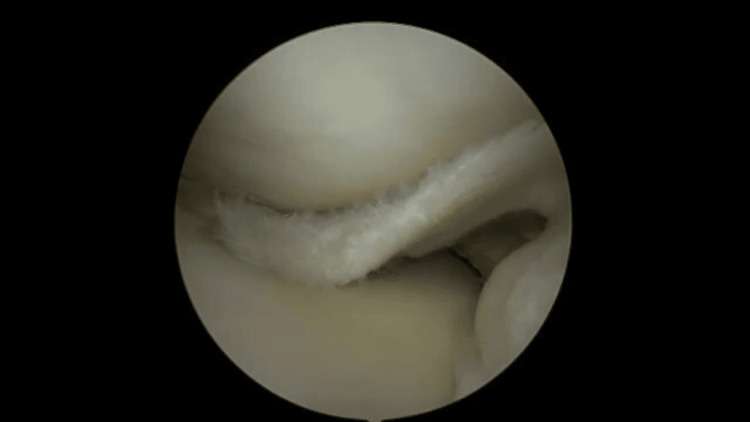
Figure 1. Illustration of a medial displaced meniscus with bucket handle rupture, depicting the detachment and flipping of meniscal tissue within the knee joint.
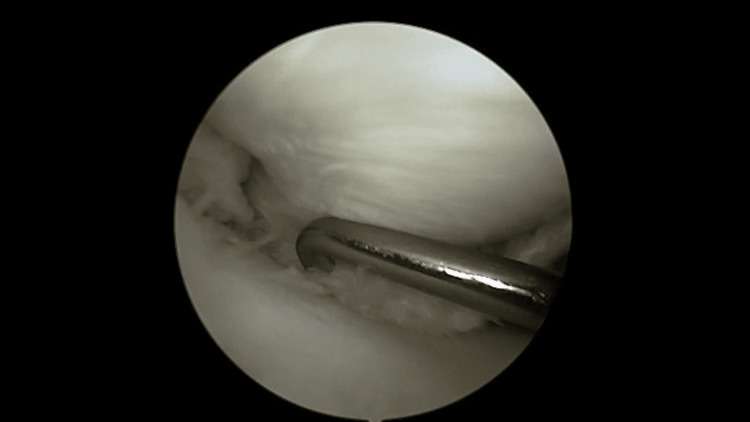
Figure 2. Reduction of the displaced tear using a surgical probe.
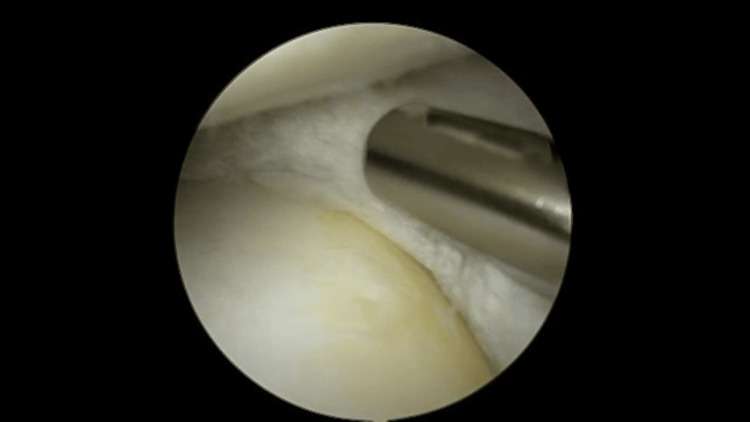
Figure 3. Debridement of the peripheral portion of the medial meniscus.
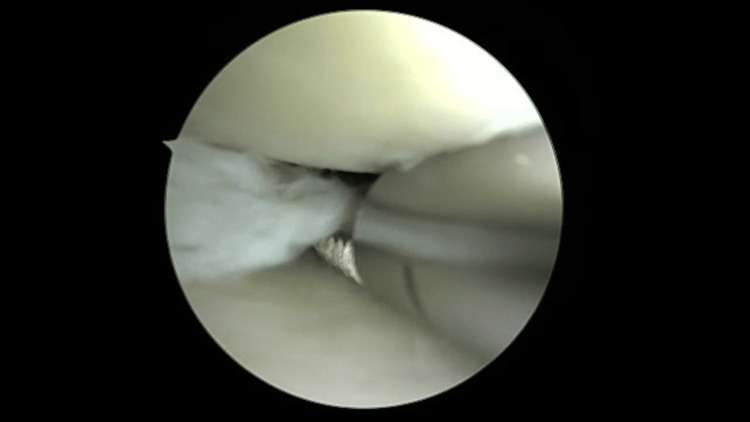
Figure 4. Debridement of the central portion of the medial meniscus.
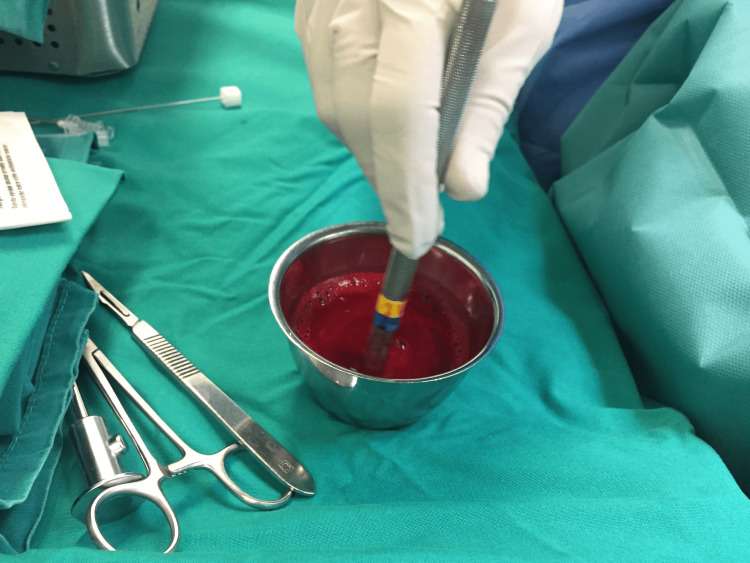
Figure 5. Fibrin clot formation procedure.
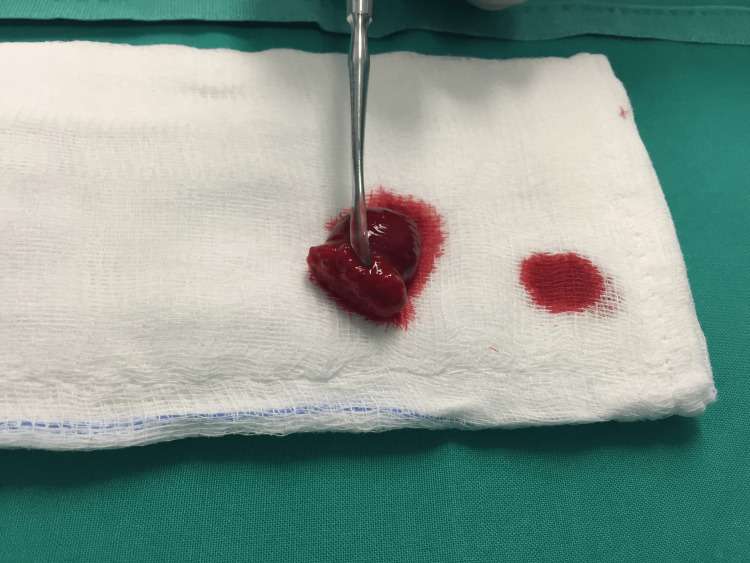
Figure 6. Placing formatted fibrin clot on to gauze.